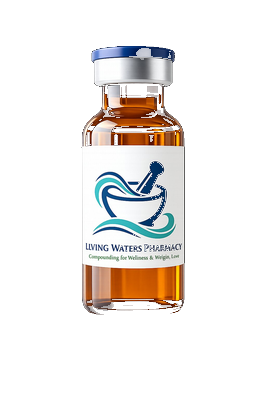
Two signals, one medicine
Tirzepatide activates both GIP and GLP-1 receptors, the same receptors your gut hormones use after a meal.
Pronounced tir-ZEP-a-tide
Two hormone signals. One weekly injection.
Tirzepatide activates the receptors for two natural gut hormones, GIP and GLP-1. Working together, they help reduce appetite, improve how your body handles sugar, and support weight loss alongside healthier eating and activity.
Prescription required. A licensed provider decides whether it's right for you.
Most weight-loss medicines in this family act on one hormone receptor. Tirzepatide acts on two, which is why it's called a "dual agonist."
Tirzepatide activates both GIP and GLP-1 receptors, the same receptors your gut hormones use after a meal.
Fullness signals reach the brain sooner and stomach emptying slows, so you eat less without feeling deprived.
Helps your body release insulin when blood sugar rises and improves how well your cells respond to it.
Used with healthier eating and more activity, and prescribed by a licensed provider, tirzepatide may help you:
Fewer cravings and smaller portions, with fullness that lasts.
Weight loss builds as the dose increases over several months. Results vary from person to person.
Dual hormone action supports how your body manages sugar.
In research, weight loss came with meaningful reductions in waist circumference.
In research, tirzepatide reduced sleep apnea severity in adults with obesity.
One small injection a week, with no daily pills to remember.
Tirzepatide has been studied in the SURMOUNT program of randomized clinical trials. A few highlights:
Average weight loss of 15.0%, 19.5% and 20.9% at 5, 10 and 15 mg weekly, compared with 3.1% with placebo.1
After 36 weeks on tirzepatide, people who continued lost a further 5.5% over the next year; people switched to placebo regained 14%.2
In adults with obesity and moderate-to-severe obstructive sleep apnea, tirzepatide reduced breathing interruptions by about 25–29 events per hour, compared with about 5 with placebo.3
About this research. These studies tested the manufacturer's FDA-approved tirzepatide, not compounded tirzepatide. Compounded medicines are not FDA-approved, are not generic versions of any approved drug, and were not tested in these trials. The FDA does not review compounded medicines for safety, effectiveness or quality before they are dispensed. Individual results vary.
Every plan is set by your provider. Here's how it typically unfolds.
A 2.5 mg weekly starting dose helps your body adjust. Mild nausea or early fullness is common at first.
Your provider increases the dose by 2.5 mg about every four weeks, as long as you're tolerating it well.
Maintenance doses range from 5 to 15 mg weekly. Your provider decides what's right for you.
Regular check-ins with your provider, Next-Day Shipping on refills, and a pharmacist a phone call away.
Your provider makes the final decision based on your full health history. As a general guide:
In studies in rats, tirzepatide caused thyroid C-cell tumors. It isn't known whether it causes these tumors in people. Don't use tirzepatide if you or a family member has had medullary thyroid carcinoma (MTC), or if you have MEN 2. Tell your provider right away about a lump or swelling in your neck, trouble swallowing, hoarseness or shortness of breath.
Nausea, diarrhea, vomiting, constipation, stomach pain, indigestion, injection-site reactions, tiredness and hair loss. These are usually mild and often ease as your body adjusts.
Inflammation of the pancreas (severe stomach pain that may spread to the back), gallbladder problems, low blood sugar (especially with insulin or a sulfonylurea), kidney problems from dehydration, serious allergic reactions, vision changes in people with diabetes, and changes in mood or thoughts of self-harm. Stop and get medical help for severe symptoms.
Tirzepatide can make birth control pills less effective. Tell your care team before surgery: slower stomach emptying can raise the risk of breathing in food or liquid during anesthesia.
This is not a complete list of side effects or warnings. Read the information that comes with your medicine, and ask your provider or pharmacist if you have questions. Call your provider for medical advice about side effects, or call 911 in an emergency.
Still wondering about something? Call (832) 592-1804 and talk with a pharmacist.
Both are weekly medications that reduce appetite. Tirzepatide acts on two hormone receptors instead of one. Your provider weighs your health history, goals and how you've responded to other treatment before recommending either.
No. Compounded tirzepatide is prepared by a licensed pharmacy for an individual patient on a prescription. It is not FDA-approved and is not a generic version of any approved product. The FDA does not review compounded medicines for safety, effectiveness or quality before they are dispensed.
Stomach-related effects such as nausea, diarrhea and constipation, usually when starting or after a dose increase. Eating smaller meals and stopping when you feel full often helps. Tell your provider if side effects don't settle.
Sometimes. Your provider decides whether to switch and what dose to start, based on your current dose and how you're doing.
Yes. Your own provider can send us a prescription, or you can complete a short medical questionnaire to be connected with an independent telehealth provider, who decides whether a prescription is right for you.
Answer a few questions about your health. A licensed provider reviews your answers and decides whether a prescription is appropriate. A prescription is not guaranteed.
This page is general information, not medical advice. Compounded medications are prepared for individual patients on a prescription from a licensed provider. They are not FDA-approved, and the FDA does not verify their safety, effectiveness or quality. Living Waters Pharmacy dispenses only with a valid prescription.